The Contamination Problem Nobody Talks About

Part Three
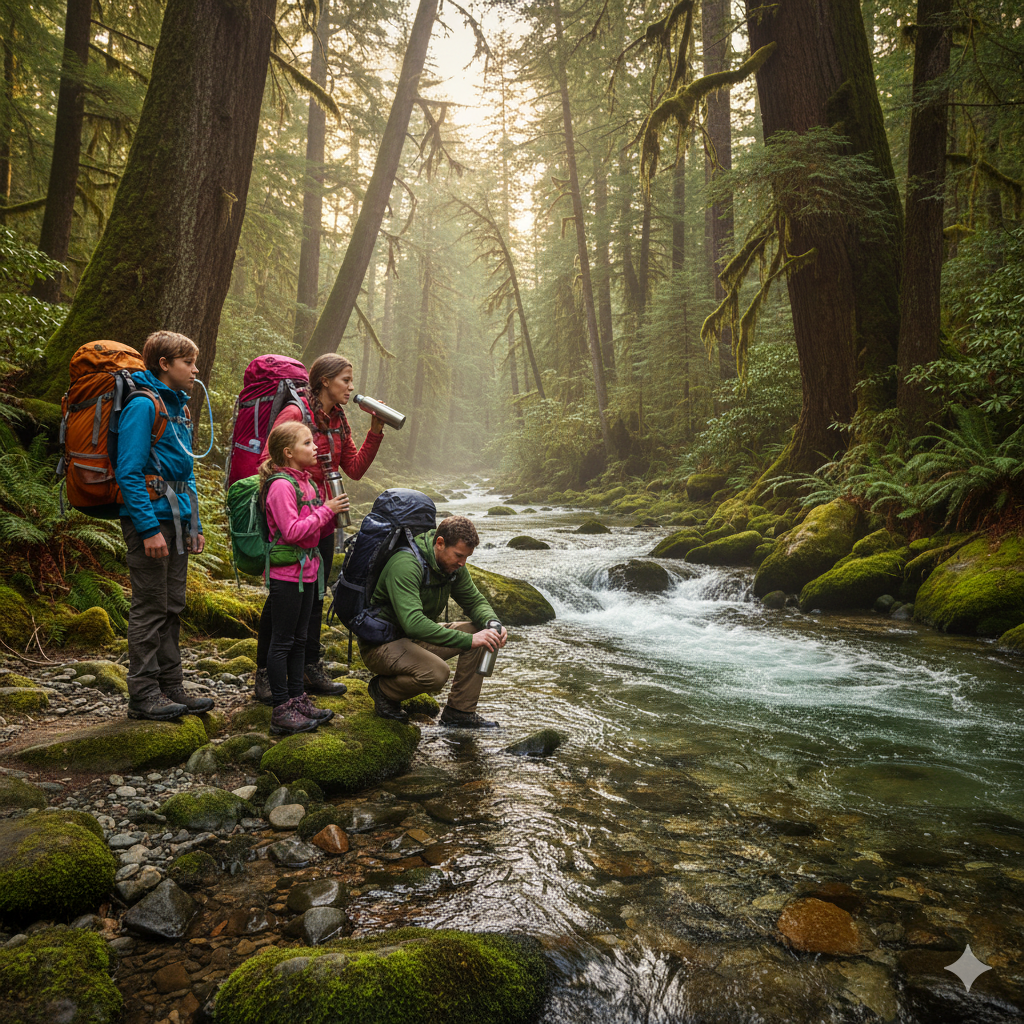
A mountain stream running cold and crystal clear over ancient stone looks like it belongs in a bottled water advertisement. It is seductive, inviting, and almost certainly teeming with things you do not want inside your body. Giardia, cryptosporidium, Norovirus, E. coli — the backcountry water supply carries a staggering array of pathogens, and the alpine clarity of a stream tells you absolutely nothing about its microbial content.
The sources of contamination are everywhere and deeply human: upstream campsites with poor waste disposal habits, grazing cattle and their attendant runoff, wildlife using the same stream as their latrine, flooding events that push agricultural chemicals into watershed systems. Even genuinely remote wilderness areas with minimal human traffic harbour naturally occurring bacteria and protozoa that can put an otherwise healthy adult on the ground within 24 hours of consumption.
80%Of wilderness illnesses linked to water contamination14+Days giardia symptoms can persist untreated1µmSize of Giardia cysts — invisible to the naked eye
The conventional solutions each carry their own friction. Iodine and chemical tablets are lightweight but leave a pharmaceutical aftertaste that makes drinking feel like a medical procedure, and they are ineffective against cryptosporidium without extended contact time. Pump filters are thorough but slow, requiring effort and patience at exactly the moments when you are most tired and thirsty. Gravity filters work beautifully when you have time and a tree to hang them from — but they are not solutions you can use while moving, and their flow rates can test even the most patient camper.
"Too many rescues — especially in the desert — have happened because hikers passed up water that looked 'icky.' Take the water. Filter it. Move."
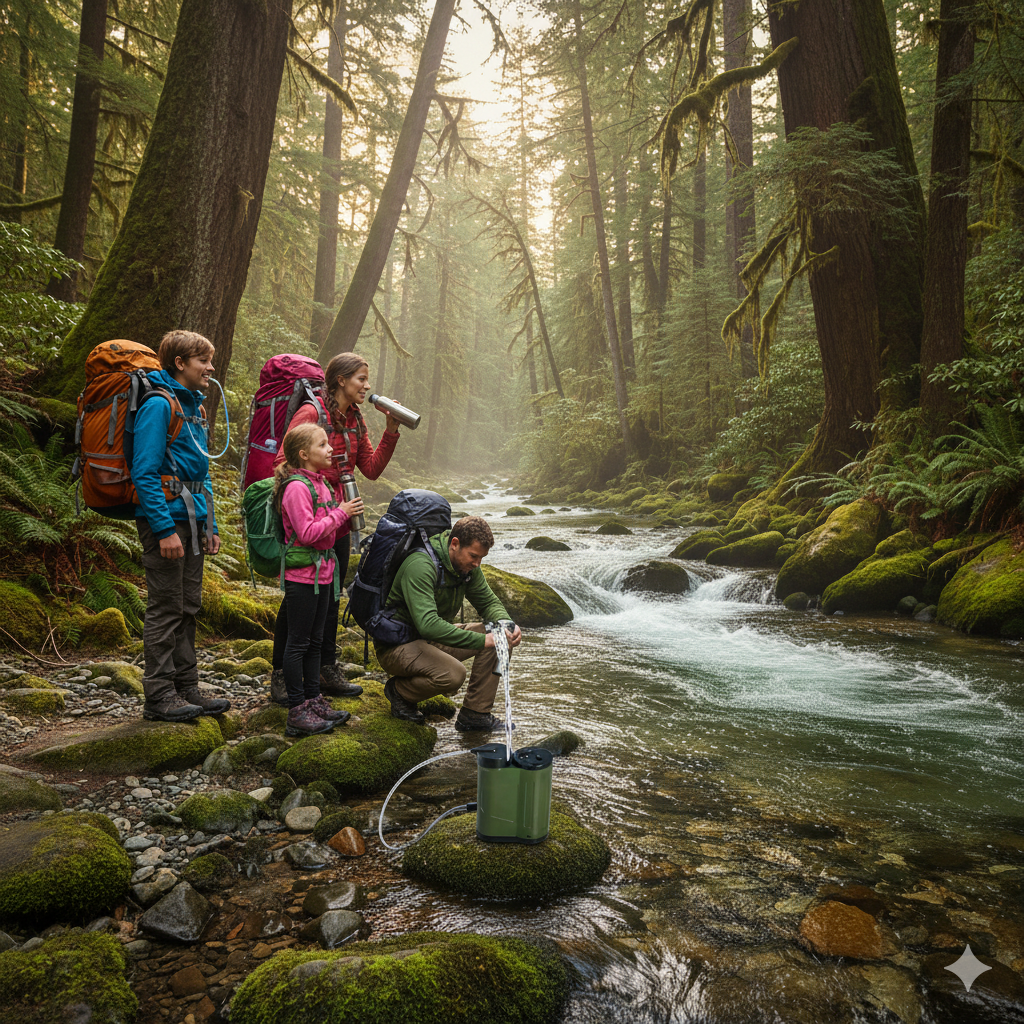
The experienced backcountry traveler learns to treat every natural water source as contaminated by default, regardless of appearance. The veteran's mindset is simple: collect any water you find, treat it, never skip a source even if you think you have enough. Because the cost of getting it wrong — the stomach cramps, the dehydration spiral from gastrointestinal illness, the emergency evacuation — is always worse than carrying an extra liter you did not end up needing.
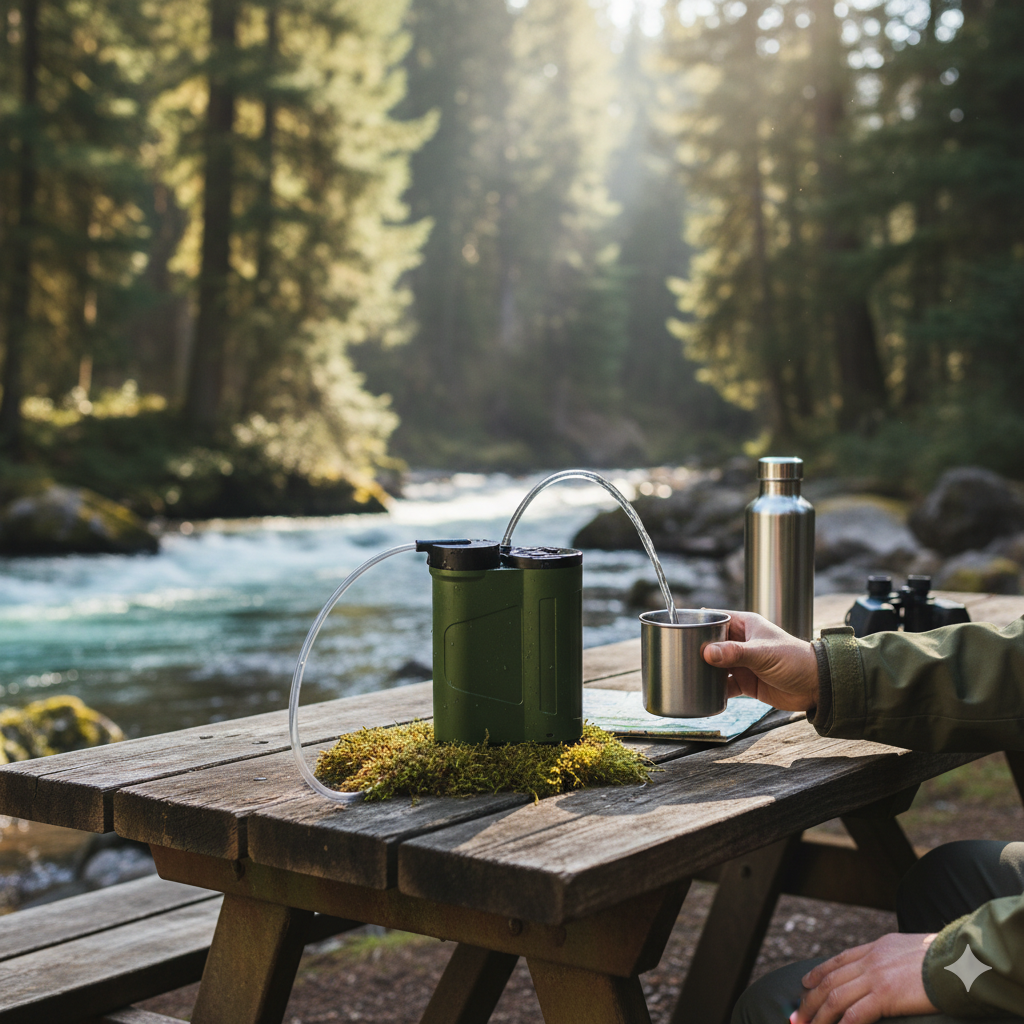
This is why the convergence of filtration and portability has become the holy grail for backcountry water management. Not carrying water. Not finding water. But being able to transform whatever water you find — murky creek, standing pond, suspect spring — into something drinkable, fast, without stopping, without setup. The technology has finally caught up to what campers have always needed. Found on Amazon and many other places, just Google it!