The Water Problem

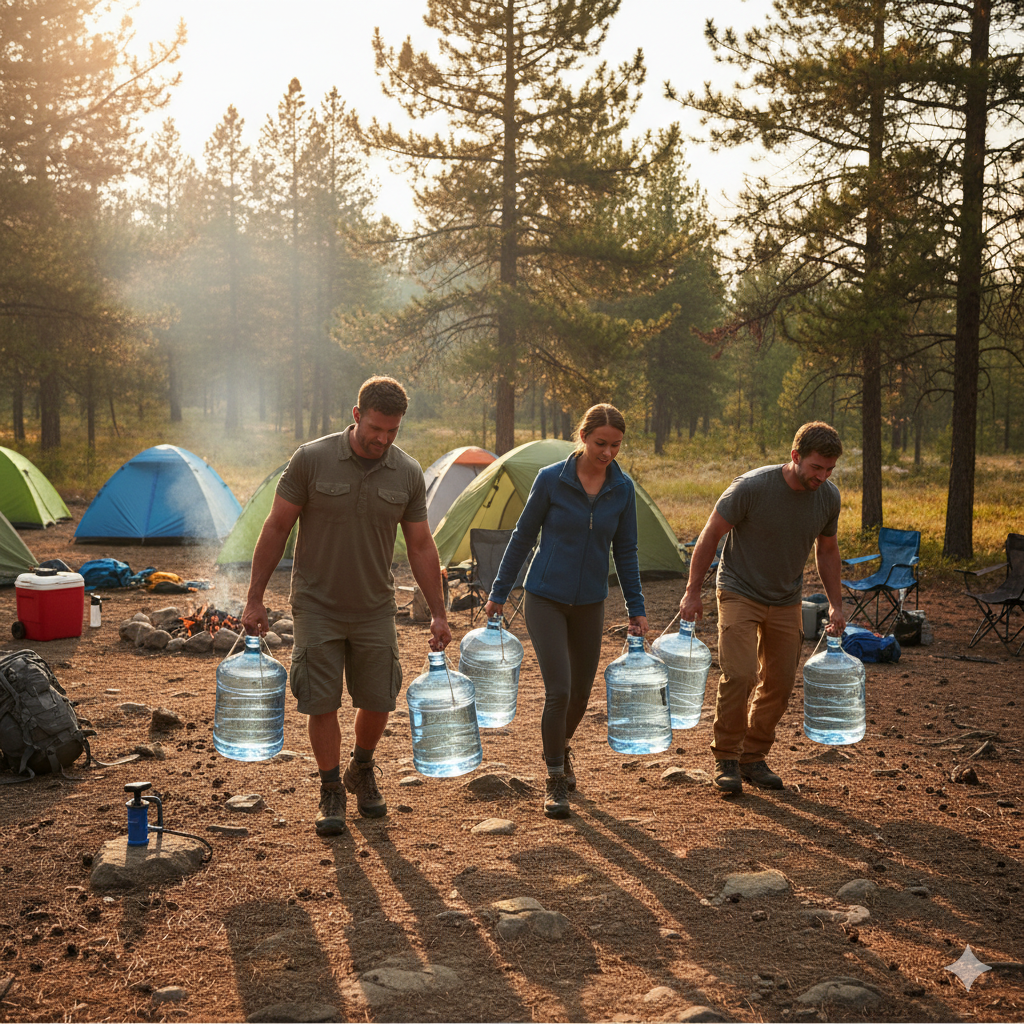
Every camper knows the thrill of the wilderness. What nobody warns you about is the brutal arithmetic of staying hydrated out there.
Part One
How Much Water
Do You Really Need?
The numbers that will change how you plan every trip
There is a rule every experienced camper recites so often it has become almost meaningless: drink one gallon of water per person, per day. It rolls off the tongue easily, fits on a packing list, and gives the illusion of preparation. But spend a sweltering August afternoon scrambling up a ridge in the Sierra Nevada, and that one-gallon figure starts to feel like a dark joke.
The reality of hydration in the backcountry is far more nuanced — and far more demanding. Strenuous hiking in heat can push an individual's water requirement to two, even three gallons per day. Factor in altitude, dry desert air, or a particularly aggressive trail, and you are not just sipping water; you are burning through it faster than your body can signal thirst. Thirst, in fact, is a lagging indicator — by the time you feel it, mild dehydration has already begun its quiet work on your performance and judgment.
8.34Lbs per gallon of water
2.2Lbs per single liter
3+Gallons needed on hot, strenuous days
Water needs at camp are their own separate calculation entirely. Most backpackers underestimate how much water a typical evening uses — cooking dinner, boiling for hot drinks, rehydrating freeze-dried food, washing hands, and filling tomorrow's bottles. Estimates suggest a typical camper uses between 1.75 to 2.75 liters just at camp, before counting a single step of hiking. Planning for water in the backcountry means planning ahead, because the penalty for miscalculation isn't mild discomfort — it's a genuine emergency.
"Water in your body is easier to carry than water in your pack — never leave a water source thirsty."
Savvy hikers know to drink their fill at every source, even when the pack is already heavy. The stomach is, after all, the lightest and most perfectly centered water container available. The math of wilderness hydration is unforgiving, and the first step to mastering it is taking the numbers seriously before you ever leave the trailhead.