The Weight That Breaks You

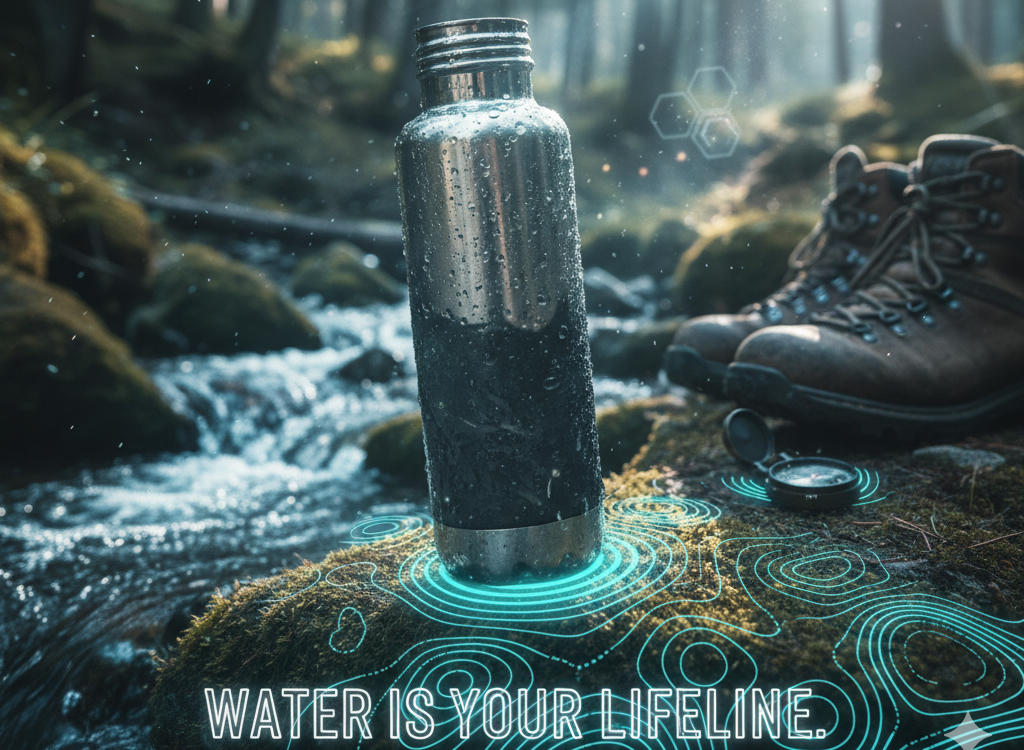
PART TWO
The physics of carrying water — and why it's worse than you think
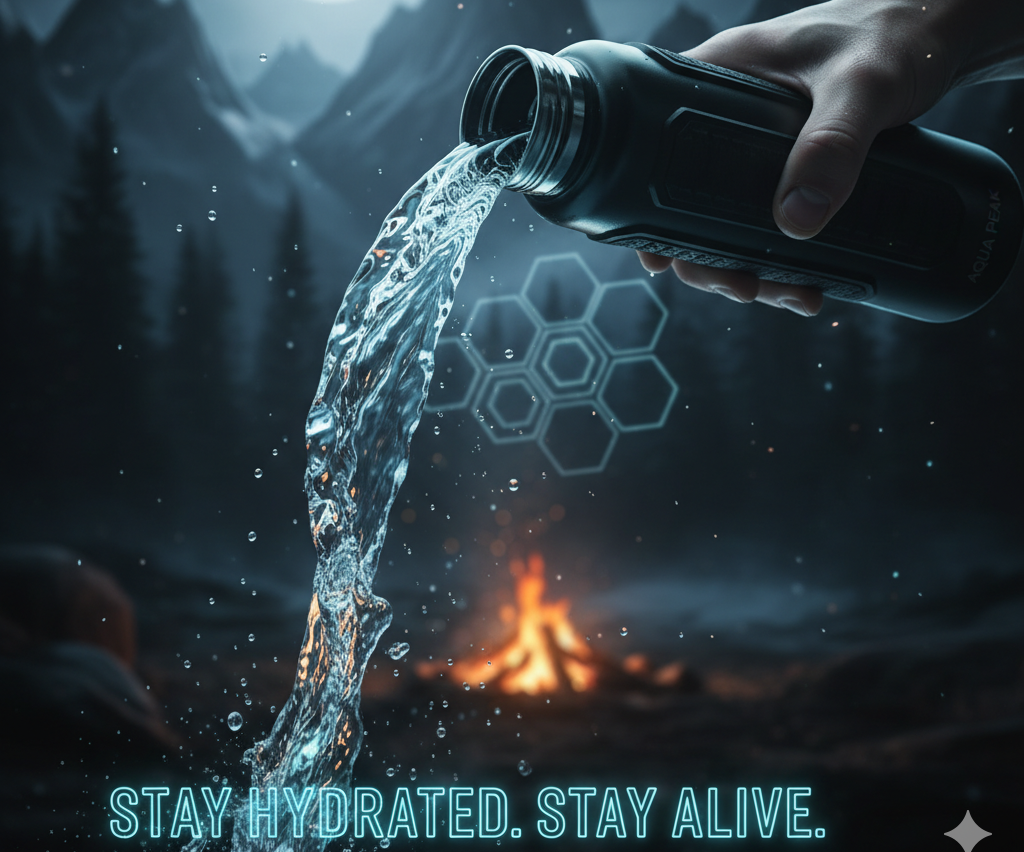
The moment you understand that water weighs 8.34 pounds per gallon, your entire relationship with backcountry hiking shifts. That is heavier than most people's sleeping bags. Heavier than a week's worth of freeze-dried food. Water, the thing you cannot live without, is the single heaviest item in any pack — and unlike food, you cannot eat less of it without consequence.
One backpacking forum documented a sobering group experiment: the strongest person in a scout crew volunteered to carry a six-liter bag filled at a river crossing before a dry camp. He lasted less than a mile before the group had to rotate that thirteen-pound water bag between them — a brutal, morale-crushing game of hot potato that poisoned the rest of the day's hike. That is roughly what six liters feels like. Now consider that a two-to-three day dry camp might require double that.
"The most I've ever carried is 22 pounds of water. It is cumbersome, but the pack gets lighter as you drink."
The cruel irony of water weight is its distribution problem. Rigid hard-sided jugs — the kind most people reach for first — are bulky when full and stubbornly bulky when empty, wasting precious pack space both ways. Standard one-liter Nalgenes are beloved but deceptively heavy; three empty ones alone weigh more than a pound and displace far more pack space than you'd expect. Bladders solve some problems and create others: they are awkward to fill, nearly impossible to clean thoroughly, invisible in terms of how much water remains, and vulnerable to pinhole leaks that can drain silently inside your pack.
- A gallon of water adds 8.34 lbs to your load — before you've packed a single other item for the day
- Rigid containers take up equal space whether full or completely empty, stealing pack volume on both legs of the trip
- Hydration bladder leaks can silently drain into your pack, soaking gear and leaving you dangerously dry miles from the next source
- Hard narrow-mouth bottles are a pain to clean, tend to harbor bacteria and odors, and make filtering water awkward
- Carrying 4+ liters over long dry stretches causes significant spinal and shoulder strain, especially on uneven terrain
- Dry camping — camping away from water — can require hauling 2–3 extra gallons, turning a pleasure hike into a grueling slog
The physical cost accumulates differently than food weight does. Food weight is stable — it only gets lighter as you eat. Water weight is chaotic, fluctuating based on source availability, the heat of the day, your exertion level, and the accuracy of your pre-trip route research. One wrong turn, one dry creek bed where the map promised a spring, and your careful water calculus falls apart in the afternoon heat.