The Truth About Tent Ratings And Why Your "3-Season" Tent Might Fail You

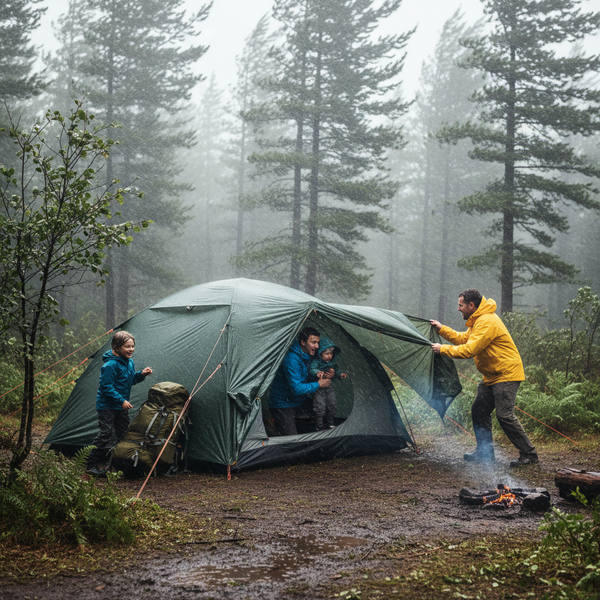
The label on your tent says "3-season." You bought it in spring, used it through summer, took it on a beautiful October trip that nearly became a survival situation when a storm arrived that the forecast completely missed. Now you're in a tent that's flexing in ways it wasn't designed to flex, watching the rain seams bead and then run, lying very still and wondering how you ended up here. The answer is simple: you trusted a label that the outdoor industry never actually defined.
Tent season ratings are one of the least regulated, most casually applied pieces of consumer information in all of outdoor gear. Unlike sleeping bag temperature ratings — which at least have an ISO testing standard to aspire to — tent season ratings are entirely self-declared by manufacturers. There is no governing body, no independent test, no minimum standard a 3-season tent must meet to earn that number. One company's 3-season tent and another company's 3-season tent can be radically, dangerously different products wearing the same label. Understanding what that number actually tells you — and, more importantly, what it doesn't — could be the most useful thing you read before your next trip.
Chapter One
THE RATING SYSTEM
NOBODY REGULATES
What the numbers mean — and who decides
Walk into any gear shop and the tents divide neatly into 1-season, 2-season, 3-season, 3–4 season, and 4-season categories. It feels like a structured, meaningful hierarchy. It is not. Each of these designations is entirely at the discretion of the manufacturer, unverified by any external authority, and based on no shared definition of what conditions each rating must handle. The number is a marketing category, not a performance standard.
Here is what the industry broadly agrees on — and even here there is variation:
1–2 Season
Summer only. Minimal weatherproofing. Light mesh construction. Will not handle serious rain or wind. Beach tents, festival tents, backyard use.
3 Season
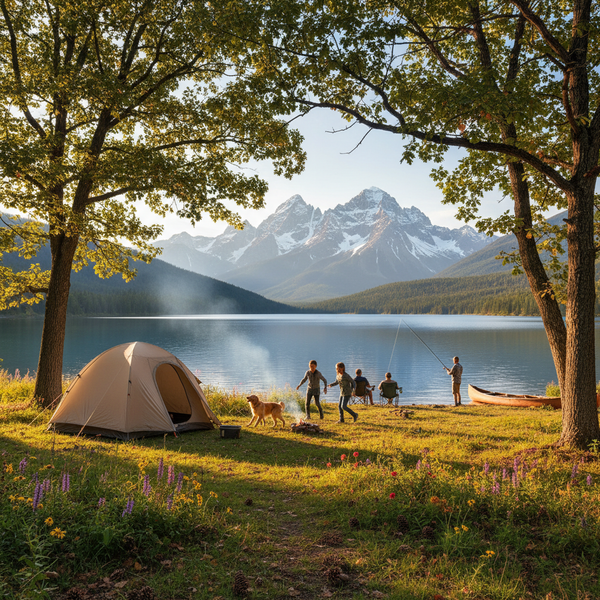
The industry standard. Spring, summer, fall. Handles moderate rain, mild wind. NOT designed for snow loads or sustained storms. The subject of this article.
3–4 Season
The "extended season" hybrid. Stronger than a 3-season, lighter than a 4-season. Handles shoulder-season cold and moderate snow. The sweet spot for many.
4 Season
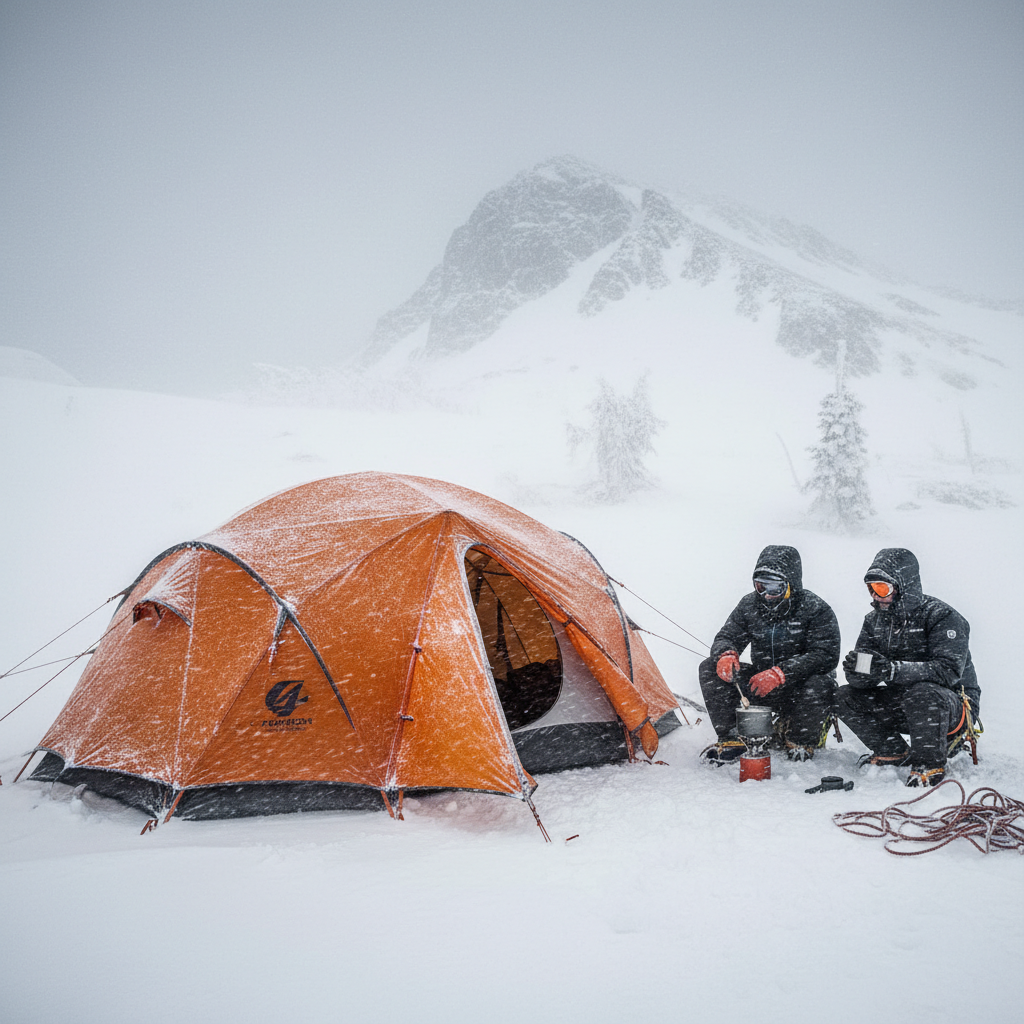
Winter and expedition use only. Handles heavy snow loads, sustained high winds, blizzards. Too hot and poorly ventilated for summer. A specialist tool.
Winter Only
The 3-season tent is by far the most commonly sold shelter category in the market. Walk into REI, MEC, or any outdoor retailer and approximately 90% of what's on the floor is a 3-season model. They are lighter than 4-season tents, better ventilated, and genuinely capable shelters for the conditions they were designed for. The problem is not what they are. The problem is what too many campers assume they are — which is, roughly, an all-conditions shelter that can handle whatever the outdoors throws at it.
"A 3-season tent in a blizzard can collapse and endanger you. A 4-season tent in July will trap heat and suffocate you. Neither is better — they are different tools for different environments."
Owen Becker — Gear Reviewer, Camped Too Hard
The most important reframe in understanding tent ratings: think about conditions, not calendar months. A 4-season tent may be the right choice for an exposed ridge in Scotland in midsummer during a gale. A 3-season tent is perfectly appropriate for a sheltered forest site in November if the forecast is mild. The season number is a rough proxy for weather intensity, not a calendar instruction.
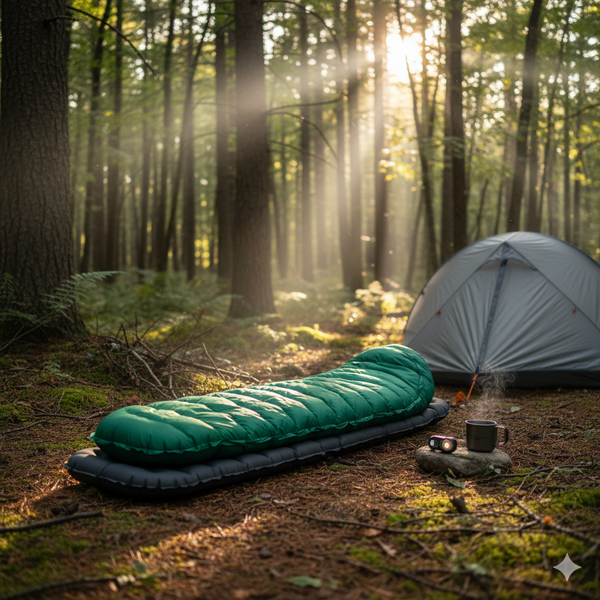
"The biggest myth in camping is that 4-season tents are insulated. They are not. A tent does not keep you warm — your sleeping bag and sleeping pad do that. The tent's only job is to keep the wind and weather off your shelter system."
This single misunderstanding sends more people to buy the wrong tent than anything else